
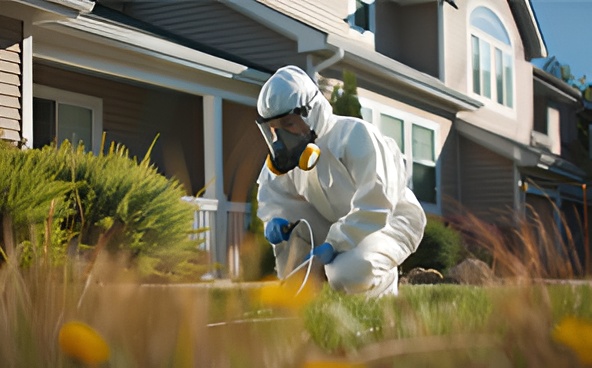
Strata Pest Control for Western Sydney Properties
Managing pest activity in a strata property can be more complex than treating a standalone home. Shared spaces, multiple residences, common facilities, gardens, waste areas, and neighbouring properties can all influence how pests move and where activity develops.
Strata pest control provides a structured way to address pest problems across relevant areas while considering access, property conditions, occupants, and the agreed scope of treatment. From cockroaches and ants to spiders, rodents, and other general pests, the right treatment approach depends on the pest activity and conditions present across the property.
Pest Control for Shared Property Environments
Strata properties can include apartments, townhouses, units, shared buildings, garages, gardens, corridors, storage areas, bin rooms, and other common spaces. Each area can present different conditions that may attract or support pest activity.
Common pest concerns in strata properties include:
- Cockroaches
- Ants
- Spiders
- Rodents
- Other general pests
Pest activity may occur within individual residences, common areas, external spaces, or multiple locations across a complex. Identifying where the activity is occurring can help determine which areas require attention.
A Practical Approach to Strata Pest Management
Effective strata pest control starts with understanding the property and the nature of the pest problem. Treatment requirements can vary depending on building design, access, surrounding conditions, pest species, infestation levels, and whether neighbouring or untreated areas are contributing to ongoing activity.
The agreed service determines which pests and areas are covered. Additional areas, pests, or work outside the original scope may require separate arrangements.
This helps ensure that property managers, strata representatives, owners, and occupants have a clearer understanding of what the service includes.
Managing Pest Activity Across Multiple Areas
Pests do not always remain within one room or one property. Shared walls, service areas, gardens, waste zones, plumbing spaces, entry points, and neighbouring properties can create pathways for pest movement.
For this reason, addressing only the location where a pest was first noticed may not always resolve the wider problem.
Depending on the circumstances, pest control may involve relevant areas such as:
- Individual residences
- Common corridors and access areas
- Garages and storage spaces
- Bin and waste areas
- Gardens and surrounding grounds
- Shared facilities
- Other agreed treatment locations
The areas treated will depend on the service scope, pest activity, accessibility, and property requirements.
How the Strata Pest Control Process Works
1. Understand the Property
Relevant information about the strata property, pest activity, affected locations, and access arrangements helps establish the scope of the service.
2. Identify Treatment Areas
The areas requiring treatment are determined according to the pest problem and agreed service requirements.
3. Prepare Occupants and Common Areas
Where preparation is required, relevant instructions can be communicated to occupants or property representatives before treatment begins.
4. Carry Out the Treatment
Treatment methods and products are selected according to the pest, property conditions, professional assessment, safety considerations, and applicable product instructions.
5. Provide Aftercare Guidance
Where appropriate, preparation, re-entry, monitoring, or prevention recommendations may be provided after treatment.
Clear Communication Matters in Strata Properties
Strata buildings involve multiple people, so communication can be an important part of the treatment process. Property managers, strata representatives, owners, tenants, and occupants may each need relevant information about access, preparation, treatment areas, and re-entry.
Access should be arranged before the appointment for agreed treatment locations. Areas that cannot be accessed may remain untreated and can affect treatment results.
Customers and property representatives should also communicate relevant information about children, pets, sensitive environments, known hazards, or other circumstances that could affect the service.
Reducing Conditions That Attract Pests
Treatment can address existing pest activity, but ongoing conditions around a strata property can influence future activity.
Shared areas should be maintained to reduce unnecessary sources of food, water, and shelter. Depending on the pest, practical prevention measures may include:
- Keeping waste areas managed
- Addressing leaks and moisture
- Storing food appropriately
- Maintaining gardens and vegetation
- Reducing unnecessary clutter
- Keeping common areas clean
- Addressing accessible entry points where practical
The recommendations required will depend on the property and pest involved.
Understanding Treatment Results
Pest activity may continue temporarily after treatment and does not necessarily mean the service has failed. Different pests respond to treatment at different rates, while property conditions and environmental factors can influence results.
Factors that may affect pest control include:
- Pest species
- Infestation level
- Building construction
- Access to harbourage
- Food and water sources
- Weather conditions
- Neighbouring properties
- Untreated areas
- Compliance with preparation and aftercare instructions
Where a follow-up service or warranty applies, its conditions will be determined by the accepted quote, invoice, or service documentation.
Strata Pest Control Across Western Sydney
Opal Pest Solutions provides strata pest control services across Western Sydney, including areas such as Blacktown, Mount Druitt, St Marys, Marsden Park, Schofields, Rouse Hill, Parramatta, Penrith, Kellyville, Seven Hills, Wentworthville, and surrounding suburbs.
Whether the concern involves a common area, individual residence, or wider strata property, a property-focused approach can help identify the relevant pest activity and treatment requirements.
Address Strata Pest Problems With a Clear Plan
Pest issues within shared properties can become more difficult when activity is allowed to spread between connected or neighbouring areas. Coordinated treatment, suitable preparation, and practical prevention can help property representatives and occupants manage pest concerns more effectively.
If your strata property is experiencing cockroach, ant, spider, rodent, or other general pest activity, get in touch to discuss the property requirements and arrange an appropriate service.