
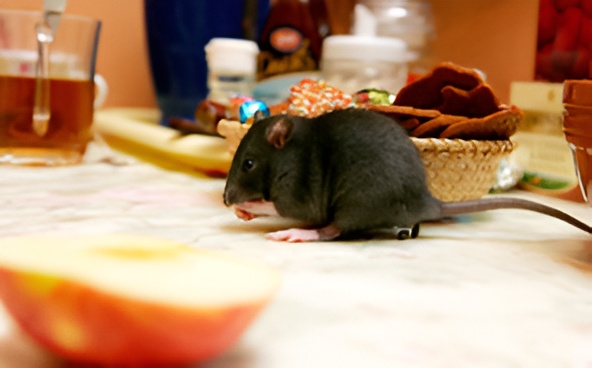
Rodent Pest Control for Western Sydney Properties
Rodents can create ongoing problems when they find food, water, shelter, and accessible entry points around a property. Scratching sounds, droppings, gnaw marks, damaged packaging, or sightings around kitchens, storage spaces, roofs, garages, and outdoor areas can indicate rodent activity.
Professional rodent pest control focuses on identifying signs of activity, addressing accessible treatment areas, and considering conditions that may allow rodents to enter or remain around a property. Whether the concern is at a home, business, or strata property, the appropriate approach depends on the property and the nature of the rodent problem.
Signs That May Indicate Rodent Activity
Rodents are often active in hidden areas, so you may notice signs before seeing the animal itself.
Common indicators can include:
- Droppings around food or storage areas
- Gnaw marks on materials or packaging
- Scratching or movement sounds
- Damaged food containers
- Nesting materials
- Unusual smells
- Rodent sightings
- Activity around roof spaces, garages, or utility areas
A single sign does not always establish the full extent of an infestation. The location and frequency of activity can provide useful information when determining what areas require attention.
Where Rodents Commonly Enter and Hide
Rodents can use relatively small openings to gain access to buildings. Once inside, they may move through concealed areas where food, warmth, and shelter are available.
Potential areas of activity include:
- Roof spaces
- Wall cavities
- Garages
- Kitchens
- Storage rooms
- Sheds
- Utility areas
- Waste and rubbish zones
- External building areas
Entry points can occur around doors, vents, service openings, damaged structures, roof areas, or other accessible gaps. Property conditions can therefore play an important role in ongoing rodent activity.
Why Rodent Problems Can Continue
Rodents may remain around a property when they have reliable access to food, water, shelter, or suitable nesting areas.
Conditions that can contribute to continued activity include:
- Accessible food
- Open rubbish
- Pet food left outside
- Water sources
- Clutter and storage
- Vegetation close to buildings
- Gaps and openings
- Unmaintained external areas
- Nearby properties with rodent activity
Treating visible activity without addressing contributing conditions may not prevent rodents from returning.
A Practical Approach to Rodent Control
Rodent control begins with understanding where activity has been noticed and what conditions may be contributing to the problem.
1. Discuss the Signs
Information about sightings, droppings, sounds, damage, and locations of activity can help identify areas requiring attention.
2. Assess Relevant Areas
Accessible areas are considered according to the agreed service, property conditions, pest activity, and available access.
3. Apply Suitable Treatment
Treatment methods and products are selected according to the pest, property conditions, professional assessment, and applicable product instructions.
4. Follow Safety Instructions
Any instructions regarding treatment areas, bait stations, traps, monitoring equipment, or re-entry should be followed carefully. Children and pets should be kept away from treatment equipment where instructed.
5. Address Contributing Conditions
Where appropriate, recommendations may be provided regarding food sources, waste management, moisture, clutter, vegetation, and potential entry points.
Bait Stations, Traps and Monitoring Equipment
Depending on the property and treatment requirements, rodent control may involve appropriate pest-control equipment such as bait stations, traps, or monitoring devices.
Customers should not move, open, interfere with, or remove any pest-control equipment installed as part of the service.
The location and use of treatment equipment will depend on the pest problem, property conditions, safety considerations, and the agreed service.
Preparing Your Property for Rodent Treatment
Preparation can help ensure the relevant areas are accessible and provide the technician with useful information about the pest activity.
Customers may need to:
- Clear access to agreed treatment areas
- Secure food appropriately
- Manage accessible rubbish
- Remove unnecessary clutter where practical
- Keep children and pets away from treatment areas
- Report known rodent activity
- Disclose relevant property hazards or conditions
Any preparation instructions provided before the appointment should be followed. Inaccessible areas may remain untreated and can affect the outcome.
Reduce Conditions That Attract Rodents
Rodent management does not end with treatment. Maintaining the property can help reduce opportunities for rodents to access food, water, and shelter.
Practical prevention measures can include:
- Store food in sealed containers
- Keep rubbish bins properly closed
- Avoid leaving pet food accessible
- Address leaking taps or pipes
- Reduce unnecessary clutter
- Maintain gardens and vegetation
- Check potential entry points
- Keep storage areas organised
Where structural repairs or pest-proofing are required, these may need to be completed separately unless specifically included in the agreed service.
What to Expect After Treatment
Rodent activity may not stop immediately. Control can take time depending on the level of activity, property conditions, access to food and shelter, and whether rodents continue entering from surrounding areas.
Continued signs do not necessarily mean the treatment has failed. Monitoring and following aftercare recommendations can be important parts of managing the problem.
Any follow-up service or warranty will apply only where specifically stated in the accepted quote, invoice, or service documentation.
Rodent Pest Control Across Western Sydney
Opal Pest Solutions provides rodent pest control for residential, commercial, and strata properties across Western Sydney. Service areas include Blacktown, Glendenning, Mount Druitt, St Marys, Marsden Park, Schofields, Rouse Hill, Parramatta, Penrith, Kellyville, Seven Hills, Wentworthville, and surrounding suburbs.
Whether you have noticed rodents in your roof, garage, kitchen, storage area, workplace, or common property, identifying the signs and addressing the conditions supporting activity can help you take practical steps toward control.
Address Rodent Activity Before It Spreads
Rodent problems can become increasingly difficult to manage when food sources, shelter, and entry points remain available. Professional treatment can help address existing activity while practical property measures can reduce conditions that encourage rodents to remain.
If you have noticed signs of rodent activity around your property, contact us to discuss your requirements and arrange a suitable rodent pest control service.